Forest Diseases
All living organisms are susceptible to disease, and trees are no exception. Forest health and vigor are closely tied to the presence and severity of disease. Most biotic forest pathogens fall into one of four broad categories: viruses, bacteria, nematodes, or fungi. For disease to occur, three factors must be present—a pathogen, a favorable environment, and a susceptible host.
In forest systems, diseases can spread in many ways, including direct transmission between organisms, by insect or animal vectors, or through environmental factors. Pathogen-driven diseases are among the leading causes of tree decline and mortality, posing ongoing challenges to the health and resilience of our forests.
In Kansas, trees often face environmental challenges that stem from inhospitable sites, shallow soils, limited rainfall, and weather extremes. These stressors heighten their vulnerability to disease. Trees have evolved defenses to prevent and combat pathogens, but there are a range of diseases that remain particularly concerning.
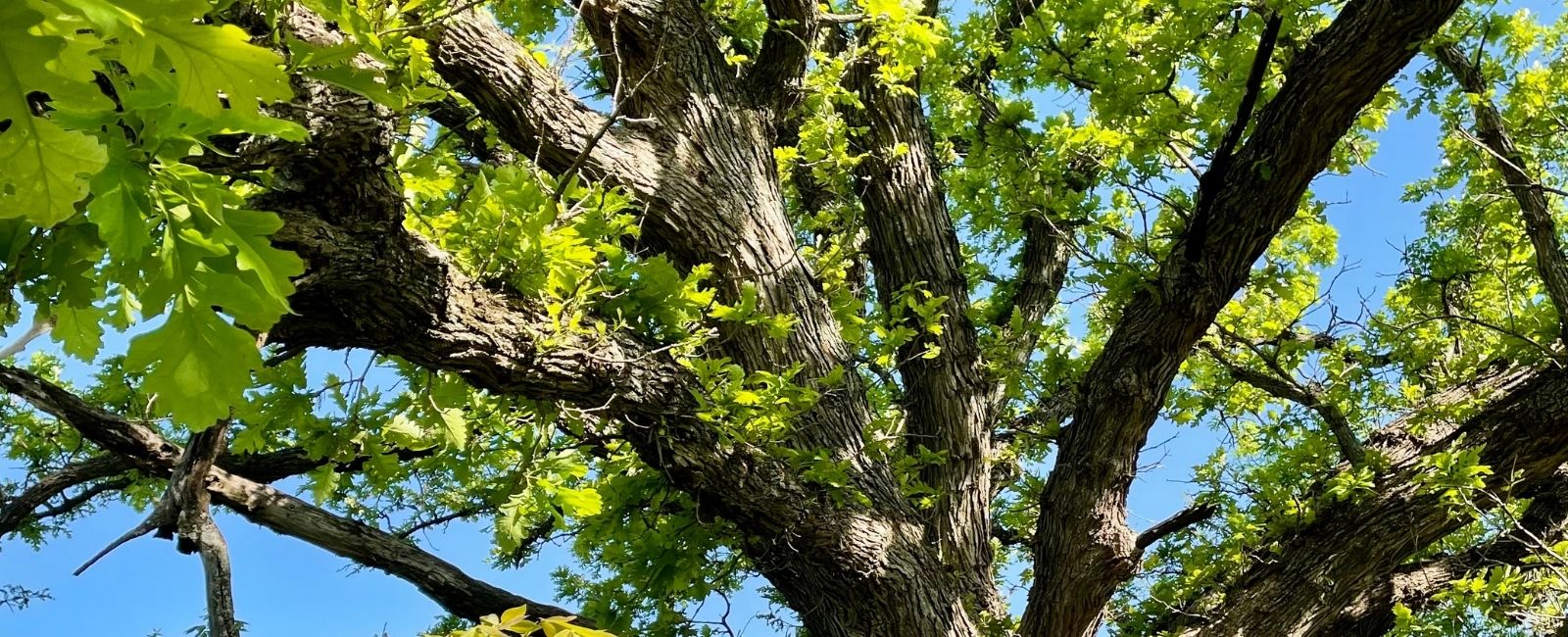
Oak trees can be found across Kansas and are well-adapted to many of the state’s native landscapes. They are highly valued by both people and wildlife, serving as a cornerstone of Kansas’s urban and rural forests.
The Kansas Forest Service forest health program provides statewide assistance to rural landowners and communities on forest and shade tree pests and diseases or invasive species that target wooded areas. For individual sick tree questions, please reach out to your local K-State Extension Office.