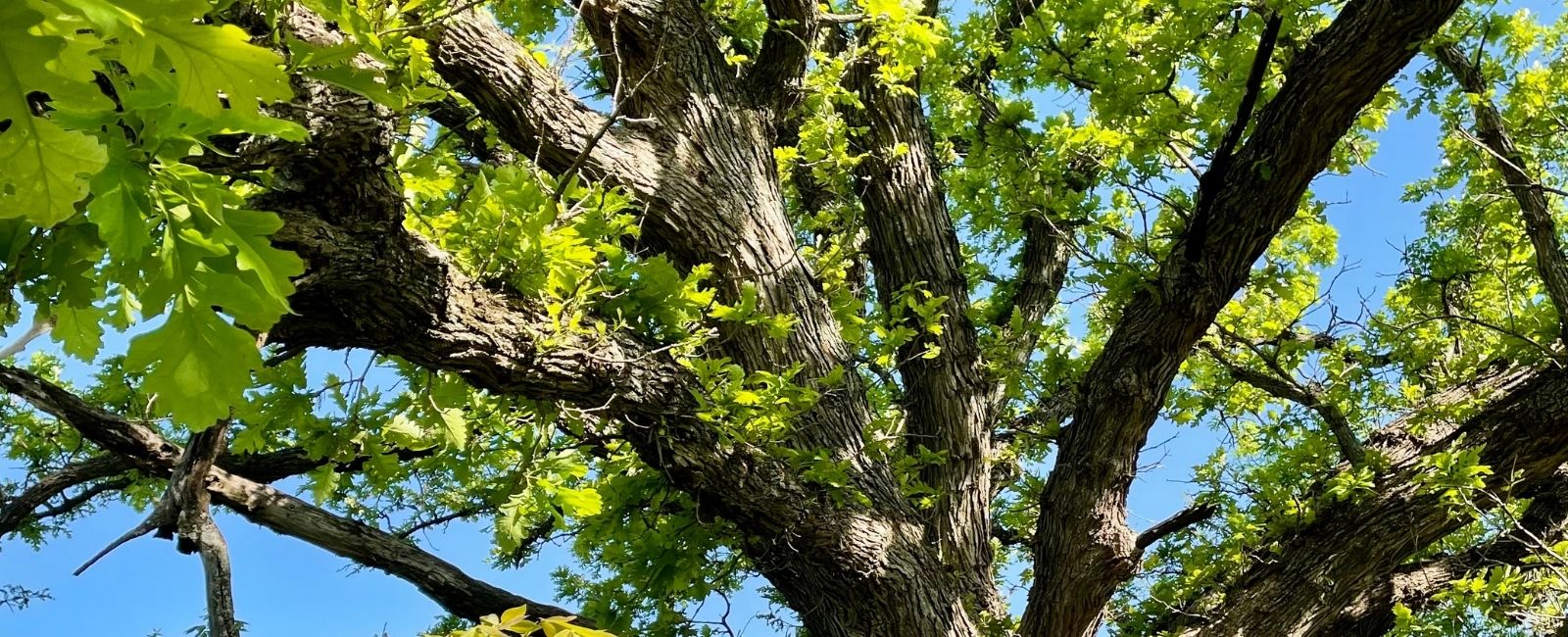
Forest Threats
Biotic Threats

Plants, animals, microbes, and even their reproductive parts, can be classified as invasive species.
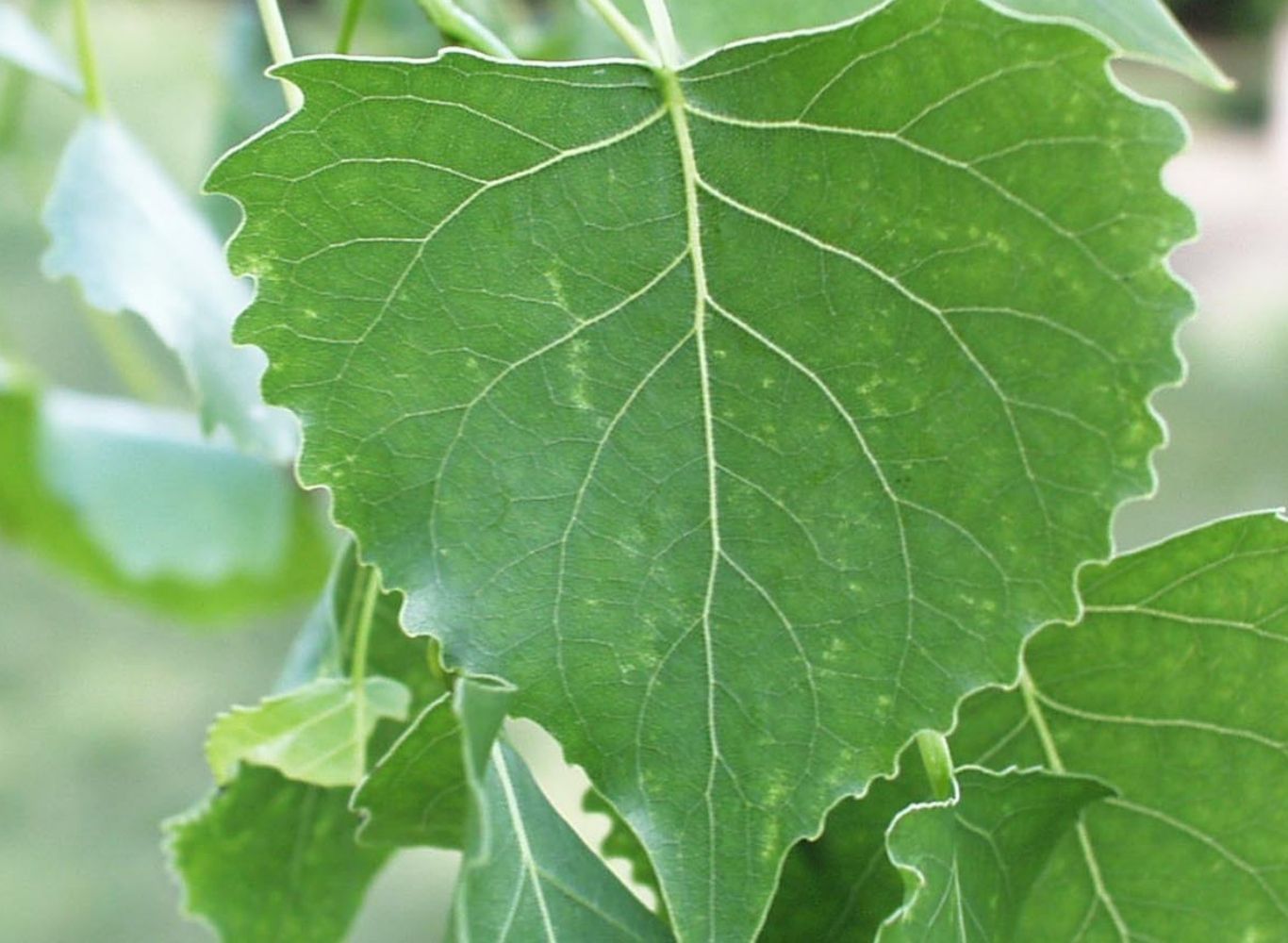
For disease to occur, three factors must be present—a pathogen, a favorable environment, and a susceptible host.
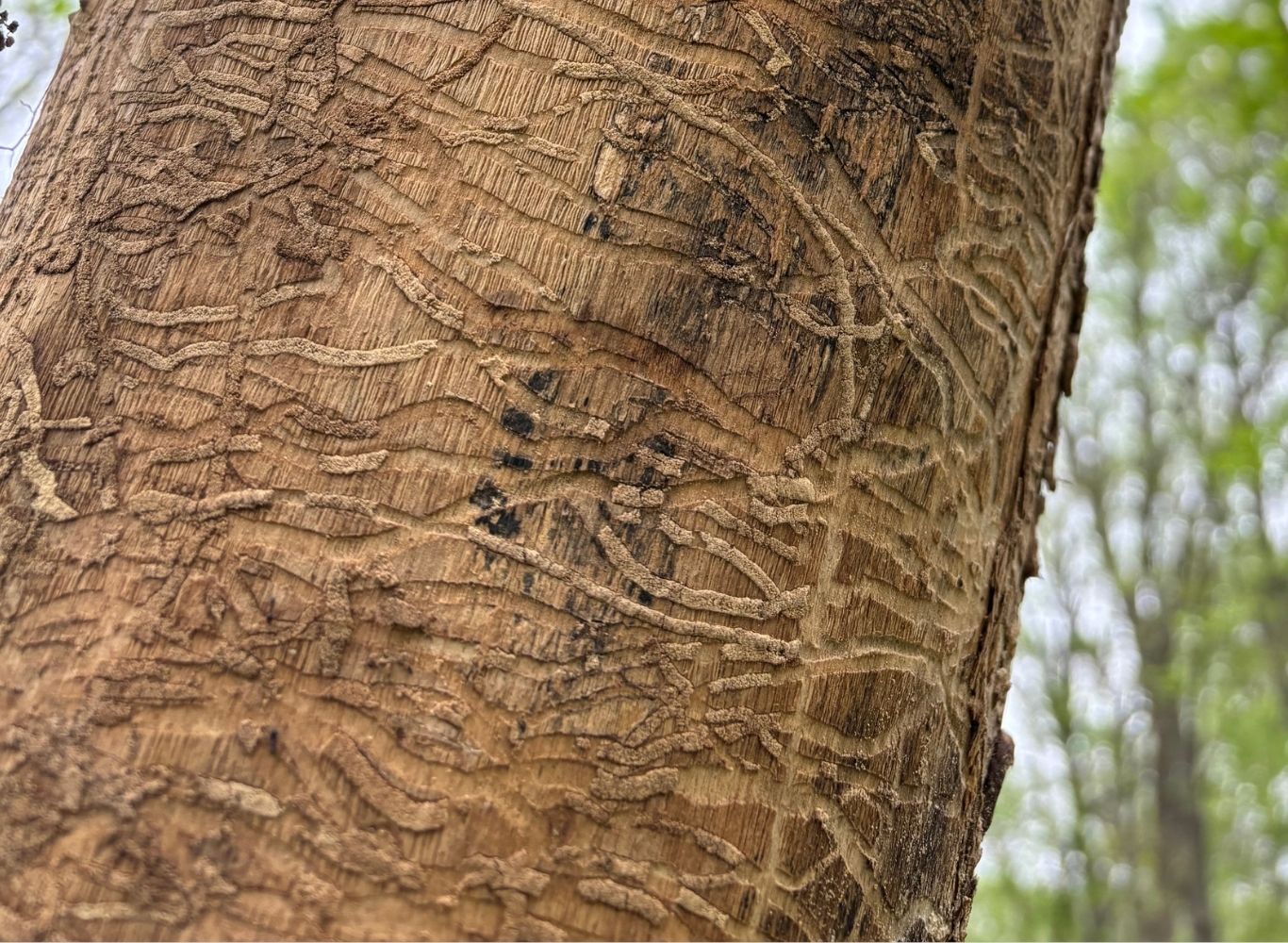
Though many insects play fundamental roles in helping forest ecosystems function, other insects cause significant damage to trees and threaten our woodlands.
Abiotic Threats
Healthy trees are a result of many variables and the complex interplay of natural and human-influenced conditions. Factors such as weather, wind, and watering practices as well as soil, sunlight, and site conditions all play critical roles in a tree’s well-being. Although we can’t control every element, like climate and inclement weather, there are proactive steps we can take to support tree health and provide a favorable environment in which trees can grow and thrive.
To learn more about preventing abiotic stresses through beneficial practices, visit our Promoting Health Trees page.
Cultural Threats to Forests
Each year, an estimated 1 million acres of forestland are lost to development nationally. Since 1992, urban areas in Kansas have expanded by 170,000 acres, permanently converting significant areas of forestland to other uses. Conversion and fragmentation of forestland to development will continue with an estimated increase in our national population by 120 million in the next 50 years.
The Kansas City metro area alone is projected to increase by 350,000 people in the next 20 years, converting an estimated 400,000 acres of land to urban use. Of those 400,000 acres, 22% is described as having "good to high ecological value." Of the ecologically good to high-rated land, 18% is forests and woodlands.
Riparian forests are generally located in areas where the most valuable agricultural crops are grown and often where prime urban development opportunities exist. Although no good trend data exists, experience and observation suggest that significant areas of riparian forest are converted to cropland and urban development each year, adversely impacting water quality, aquatic and terrestrial species, and other benefits riparian forests provide.
There is currently a need for effective programs in Kansas that provide long-term protection of riparian forests. The Forest Legacy Program, other easement programs, increased use of stream setback ordinances, and emerging carbon markets could address these needs.
Kansas forests and agroforestry ecosystems are under increasing threat from environmental stress, aging tree populations, and declining forest health. Approximately 2.9 million acres of cropland exceed tolerable erosion limits, yet 55% of windbreaks—critical for erosion control—are in fair to poor condition. In urban areas, 59% of the tree canopy is also rated fair to poor, with dominant species like silver maple, elm, and pin oak aging and declining.
Street tree populations have dropped by 50% over the past decades, and species diversity is narrowing, with over-mature trees like Siberian elm and green ash dominating the landscape. Rural hardwood forests are similarly stressed, with 51.5% classified as cull due to poor health or form. Cottonwood regeneration is declining due to river system changes and land use pressures, while oak forests, though increasing in volume and density, are not successfully regenerating—indicating a lack of young trees to replace the aging canopy. These combined threats highlight the urgent need for strategic forest management and restoration across the state.